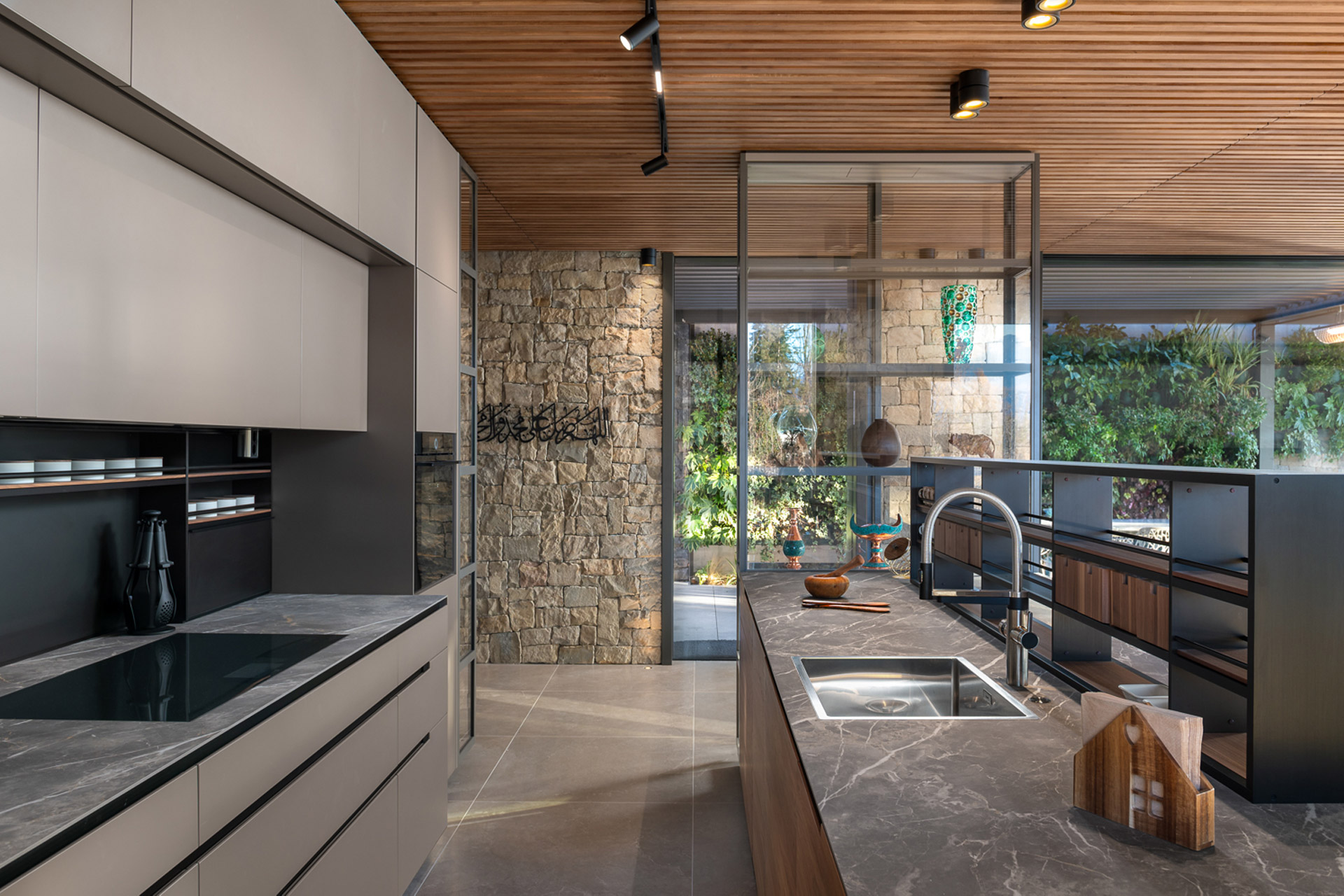
Villa Tree Studio Gest Sa: @studiogest ArchPhoto: www.archphoto.ch @radicephothos
The kitchen is the beating heart of the home. It’s not just where meals are prepared it’s a space for connection, sharing, and daily life. Often, it’s the only room where the whole family truly comes together, whether for a quick breakfast or a long, story-filled dinner. Kitchen lighting should be designed not only for practical needs, but also to create a warm and relaxing atmosphere.
Lighting by Zones: Light Follows Function
Every part of the kitchen serves a different purpose—so each area requires its own dedicated type of lighting.
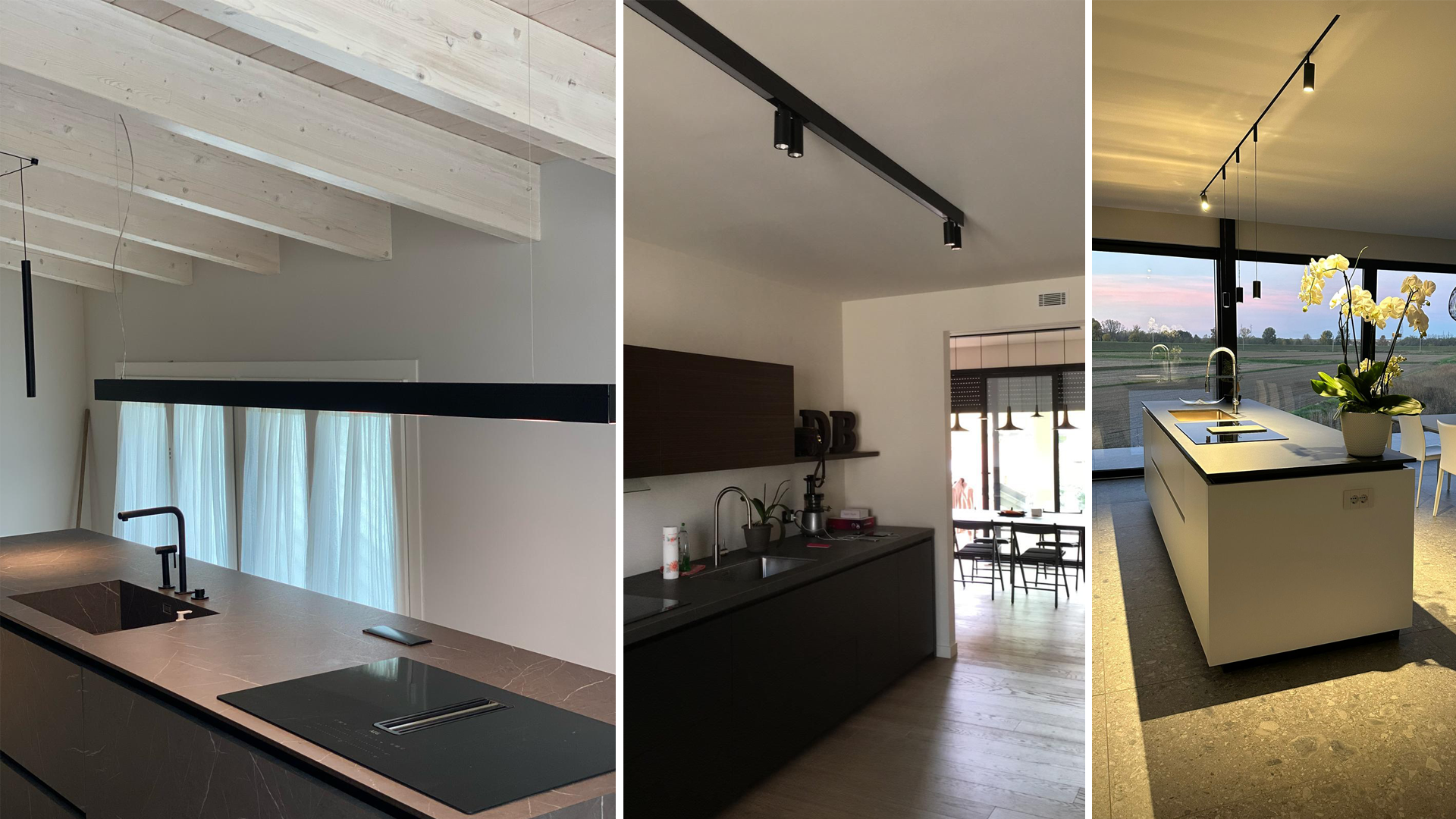
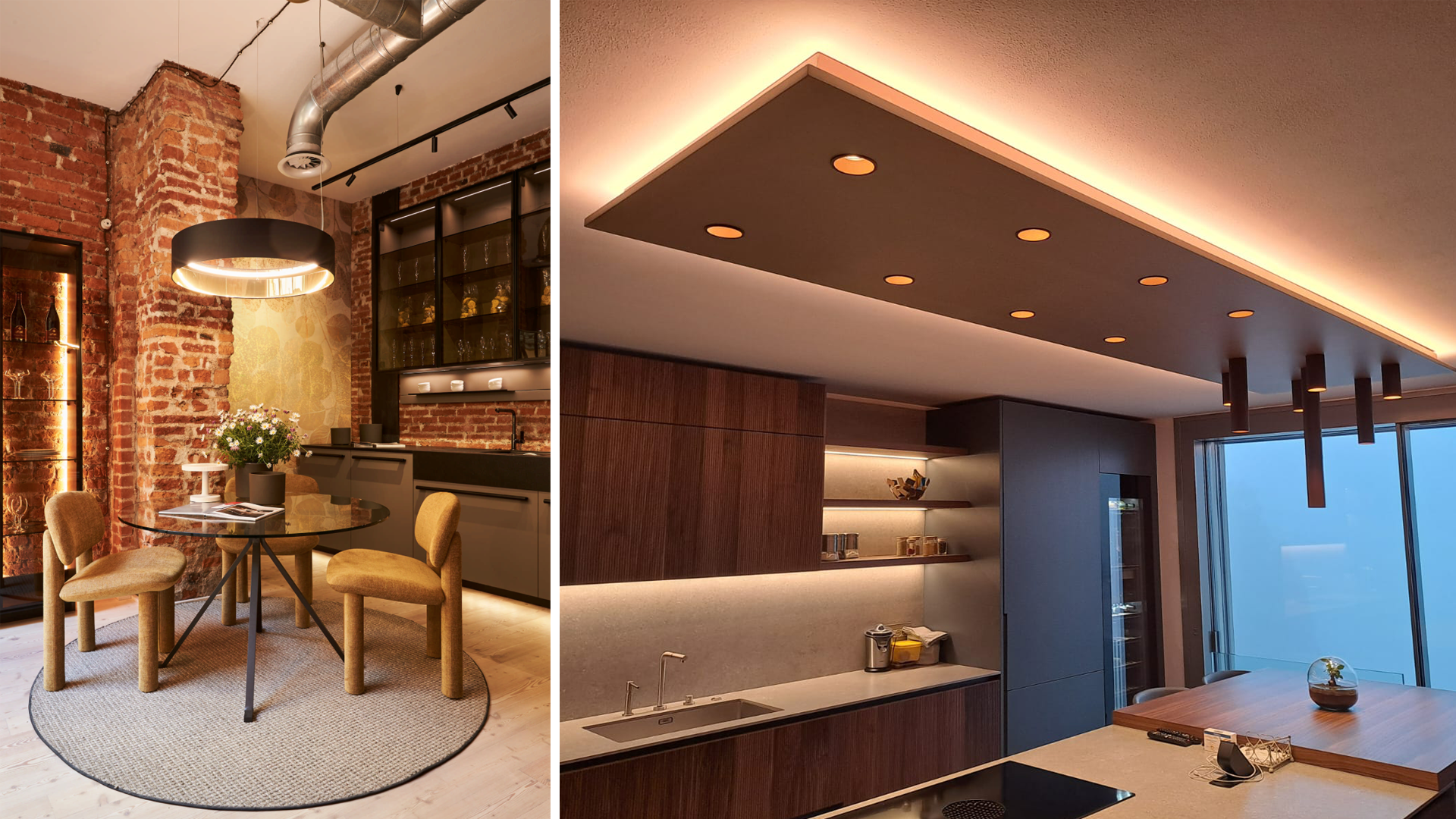
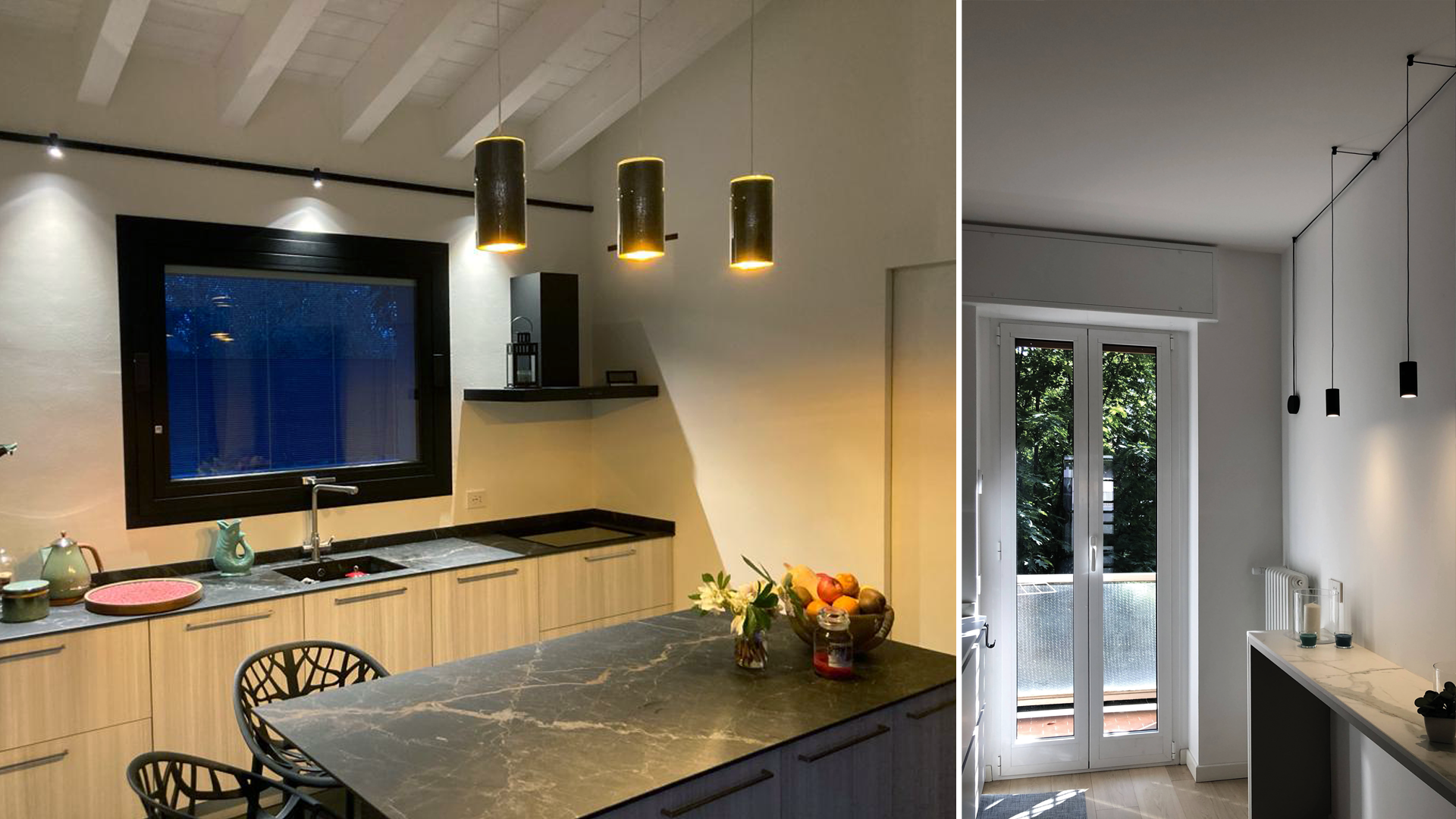
In the working area, where the stove, sink, and prep surfaces are, lighting must be direct and focused. It’s essential for safety and precision in everyday tasks like chopping, cooking, and cleaning. Under-cabinet LED strips or adjustable spotlights work particularly well here, offering targeted brightness while avoiding unwanted shadows.
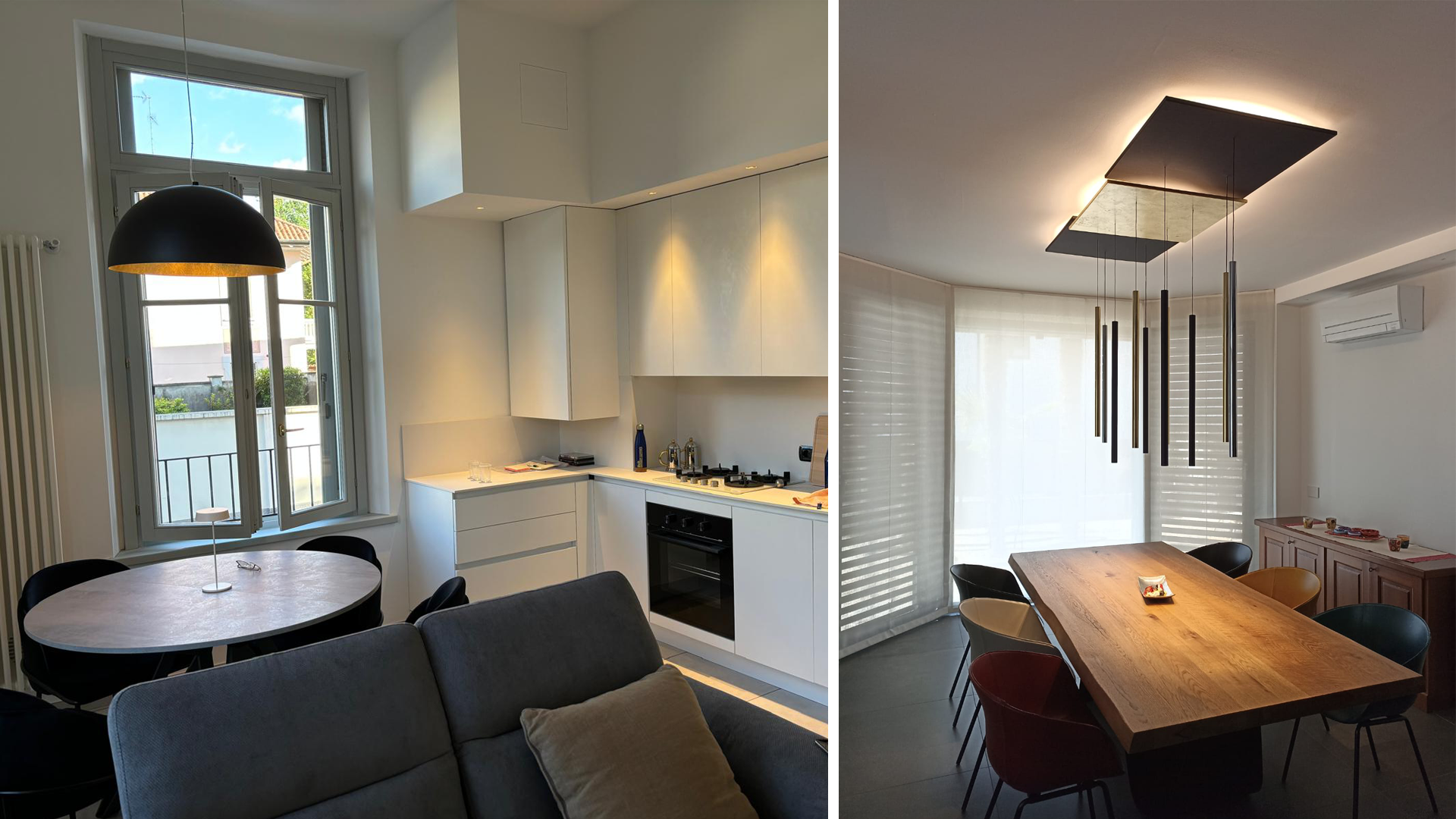
The dining zone, on the other hand, is all about togetherness. It’s where meals are shared and conversations flow. Lighting in this area should be warm and diffused, creating a soft, relaxed ambiance. A pendant lamp centered over the table, ideally with dimming capability, can completely transform the mood, making the space more intimate and inviting.
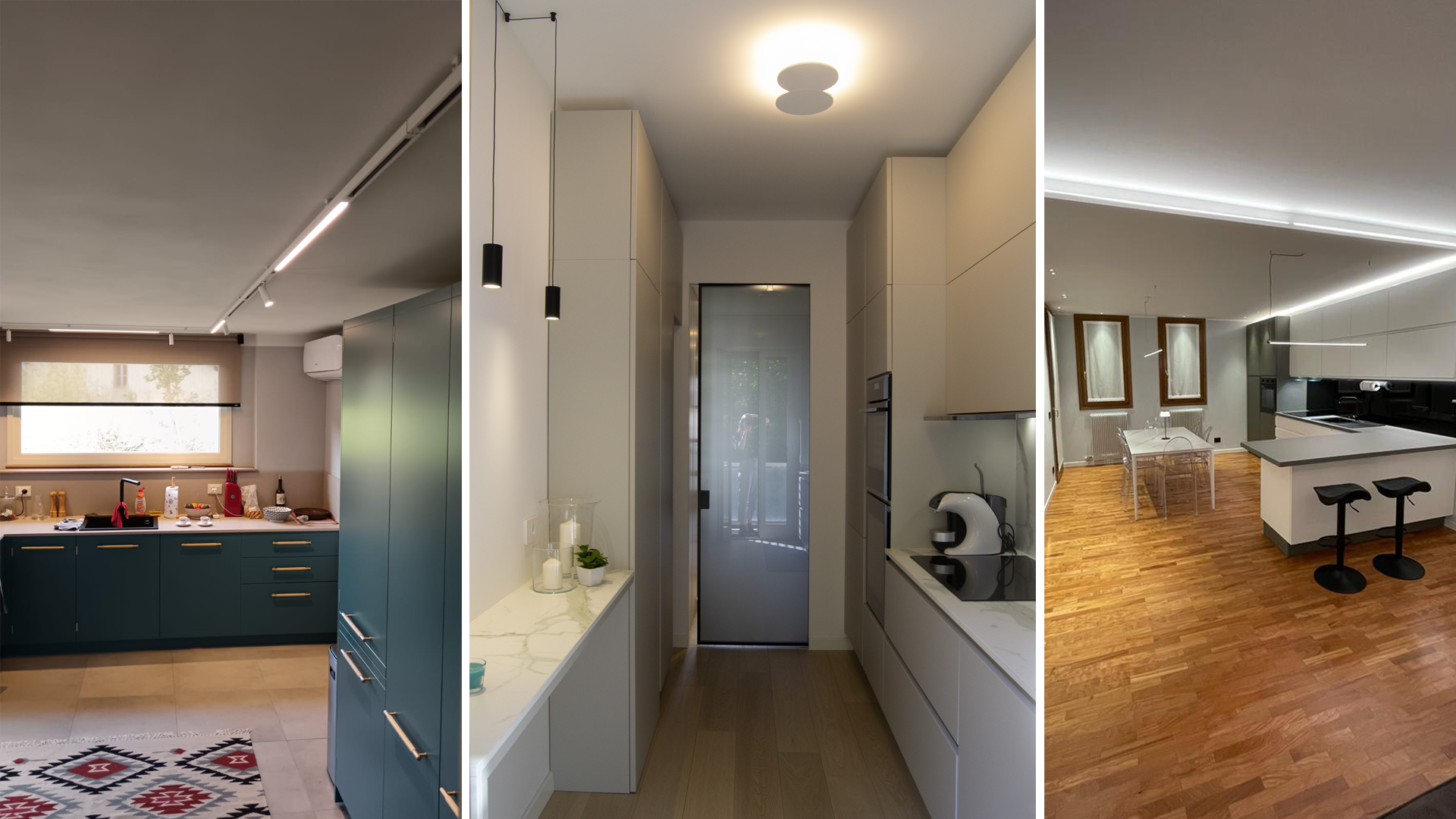
Transitional areas, such as walkways between cabinets or around a central island, also deserve attention. These spaces benefit from even, well-distributed lighting that follows your movements without casting harsh shadows. A discreet ceiling fixture or integrated cabinet lighting can provide both functionality and elegance.
Beyond function, lighting can also be a design statement. It defines the character of the kitchen. LED strips above cabinets or below drawers create depth and floating effects, while accent lighting on open shelves or architectural elements adds a personal, decorative touch. In some modern kitchens, colored or smart lighting lets you shift the mood with a simple tap.
Balancing Light and Shadow
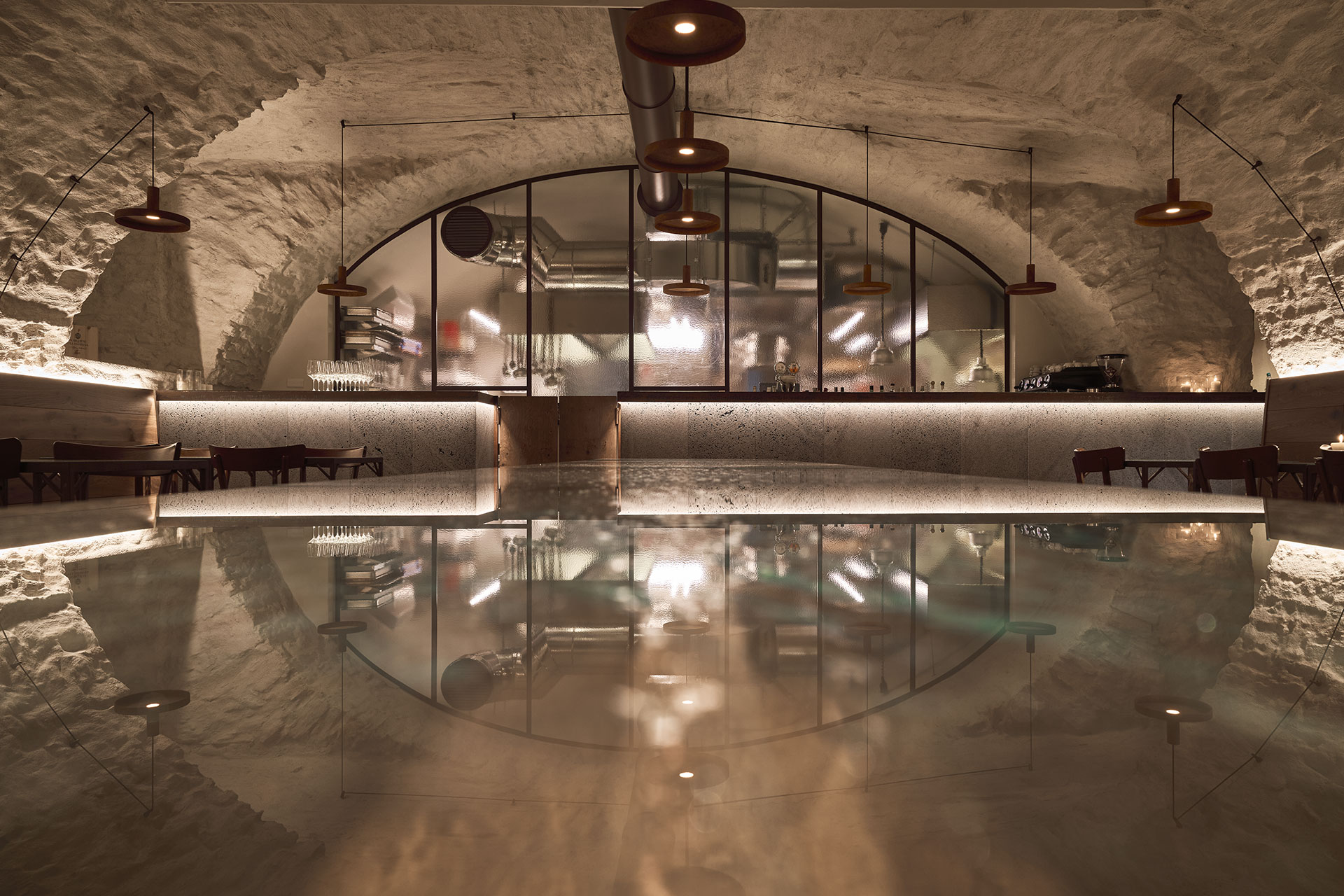
A well-designed lighting plan doesn’t just add brightness—it also embraces shadow. Shadow isn’t a flaw to be corrected; it’s a key part of the space. It brings visual rhythm, depth, and highlights the texture and materiality of surfaces. A kitchen flooded with uniform light can feel flat and sterile, whereas a thoughtful interplay of bright and softer areas creates a more welcoming, dynamic environment. Materials like wood, stone, or porcelain gain richness when lit from the side, revealing subtle contrasts and tactile qualities. While work surfaces should be brightly lit, other zones—like a shelf, a breakfast nook, or a recessed corner—can benefit from gentler lighting that adds comfort and atmosphere.
From both a functional and psychological perspective, shadows serve a purpose. They help define spatial roles, suggesting different behaviors: strong light invites action; soft light invites stillness and conversation. In open-plan kitchens, where the cooking space merges with the living area, this contrast helps subtly divide zones without physical barriers. Achieving this balance requires smart lighting choices—directional fixtures, adjustable intensity, and consistent color temperature. Light should guide, not overwhelm. It’s in this delicate dialogue between light and shadow that the kitchen comes alive, becoming a space not just to use, but to enjoy, feel, and inhabit.