Designing a space is not only about defining form, materials, and colour, but about creating an experience.
We experience environments through all five senses, and light and sound play a unique role. They cannot be touched, yet they are always present. Light makes space visible, while sound helps us perceive depth and distance. Together, they shape atmosphere, orientation, and comfort.
When balance is missing
Some spaces work visually but not experientially. Restaurants where noise overwhelms conversation, offices where concentration becomes difficult, interiors that appear refined yet feel unwelcoming.
In these situations, the issue is not form, but how light and sound behave. Sound reflects off surfaces and overlaps, reducing clarity, while lighting may be uneven or poorly directed, creating contrast and visual fatigue.
When light and sound are not in balance, the space loses harmony.
Sound as a design material
Sound absorption is the ability of materials to absorb acoustic energy and reduce reverberation time, a key parameter for acoustic comfort.
Reverberation time (RT60) defines how long sound persists within a space. High values lead to sound overlap and reduced intelligibility, while controlled values improve speech clarity.
Hard surfaces such as glass, concrete, or smooth finishes reflect sound, whereas materials with high absorption coefficients (NRC) reduce reflections and create a more comfortable environment.
Beyond material selection, the geometry of the space, ceiling heights, and surface distribution all influence how sound propagates. Due to its position and scale, the ceiling is often the most strategic surface to treat in order to improve acoustic performance.
From theory to design
Integrating lighting and acoustics requires a precise and measurable approach.
Lighting design begins with defining illuminance levels (lux) according to the activities within the space, ensuring uniformity, controlling glare (UGR), and shaping light distribution to create clear visual hierarchies. Colour temperature and colour rendering further influence how materials and surfaces are perceived.
Acoustic design follows a different but equally rigorous process. Based on the volume of the space and the materials involved, a target reverberation time is established. Through calculations and predictive models, it is possible to determine the amount of sound-absorbing surface required and how it should be distributed to achieve the desired performance.
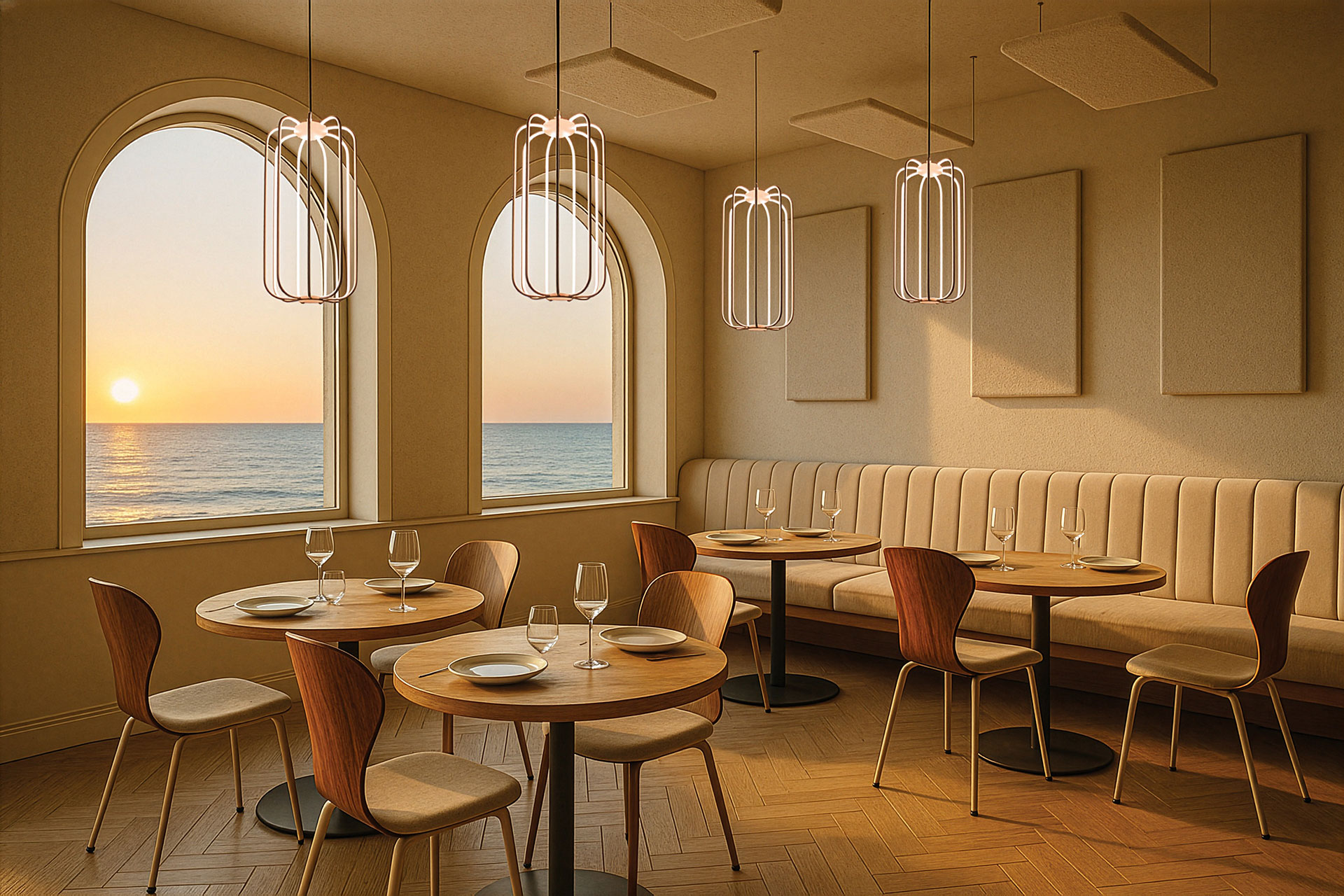
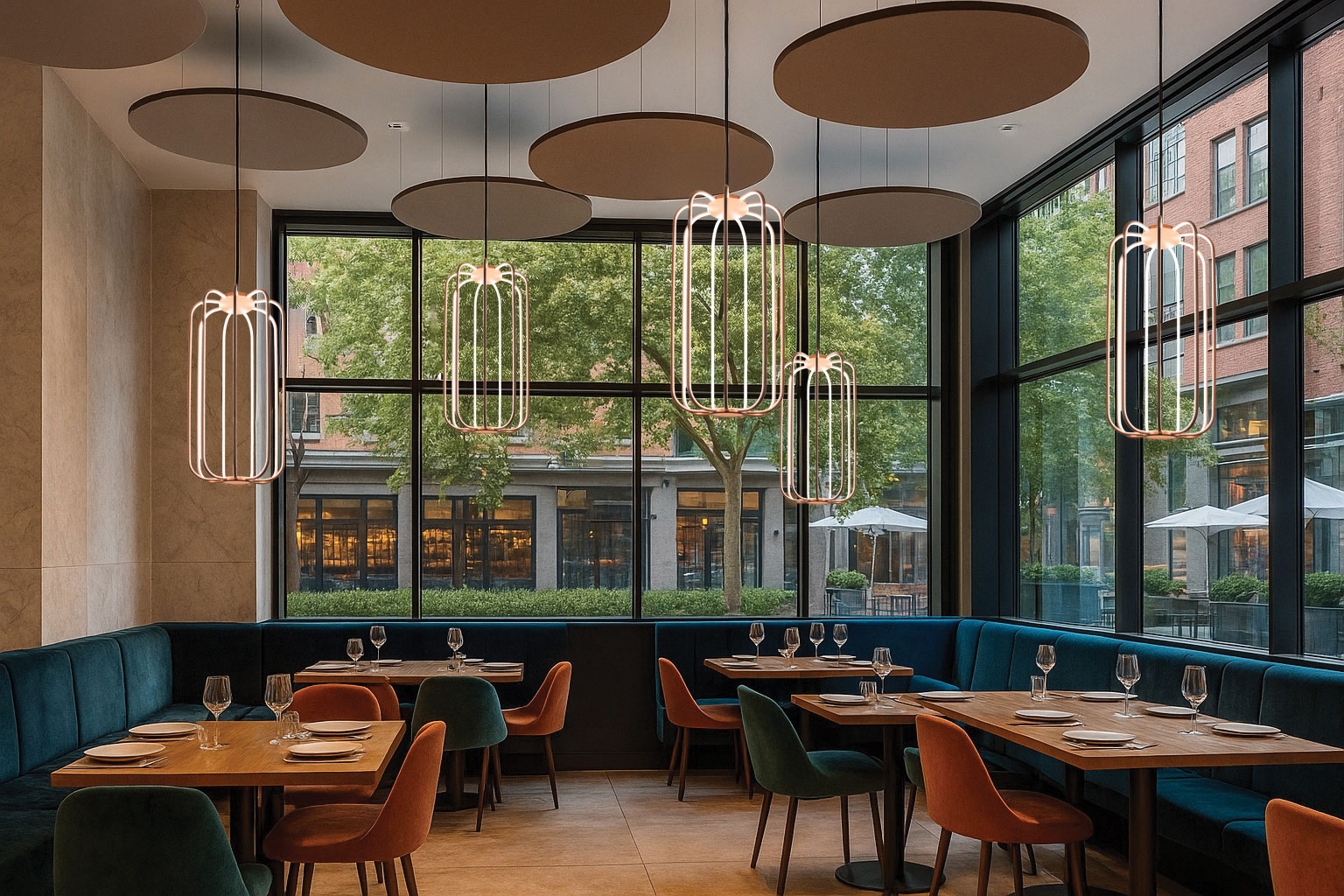
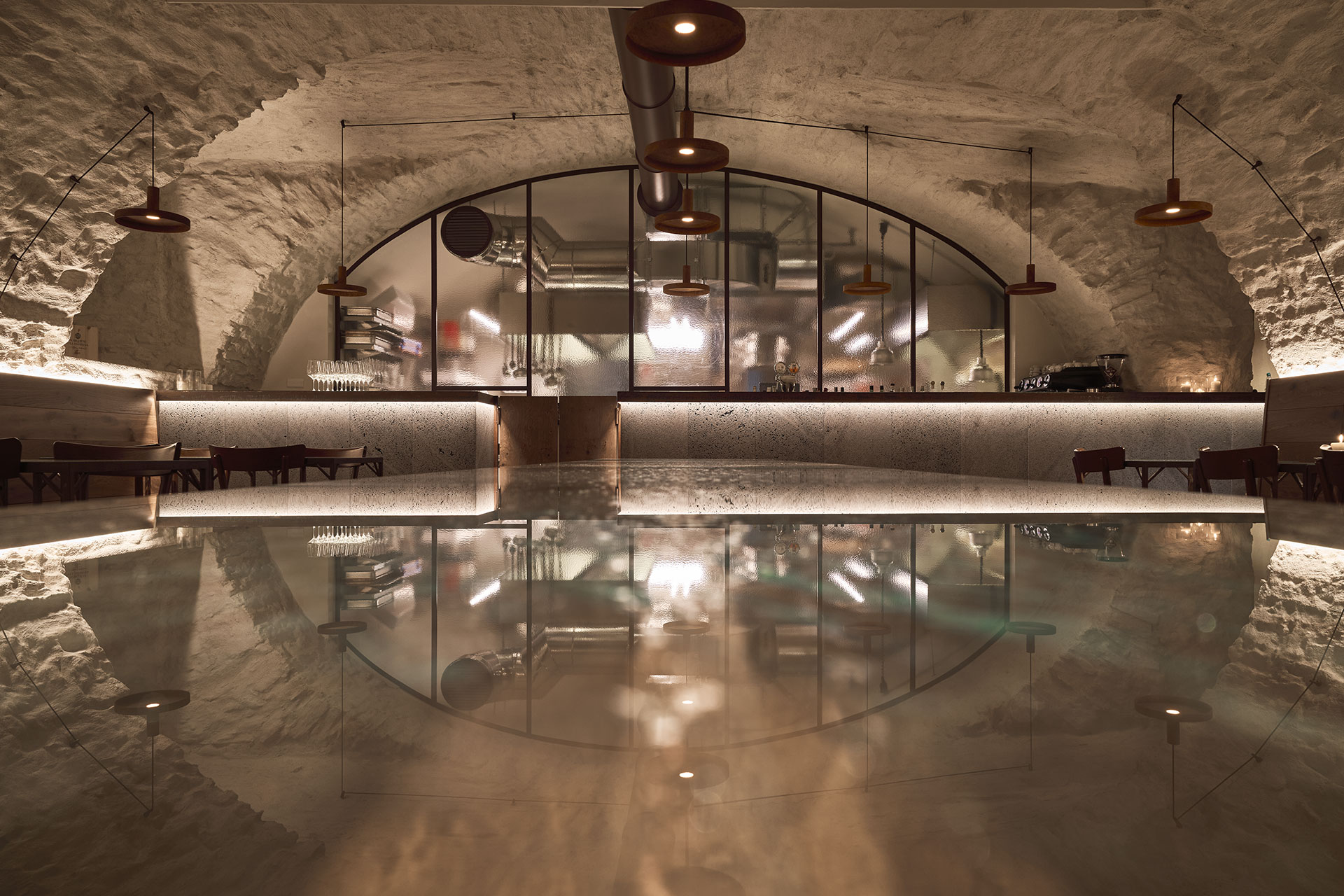
In a restaurant, for example, reducing reverberation is essential to support conversation. This involves balancing reflective and absorptive surfaces, often integrating acoustic elements into ceilings or suspended systems. At the same time, lighting enhances tables and materials, creating a warm and welcoming atmosphere without causing glare.
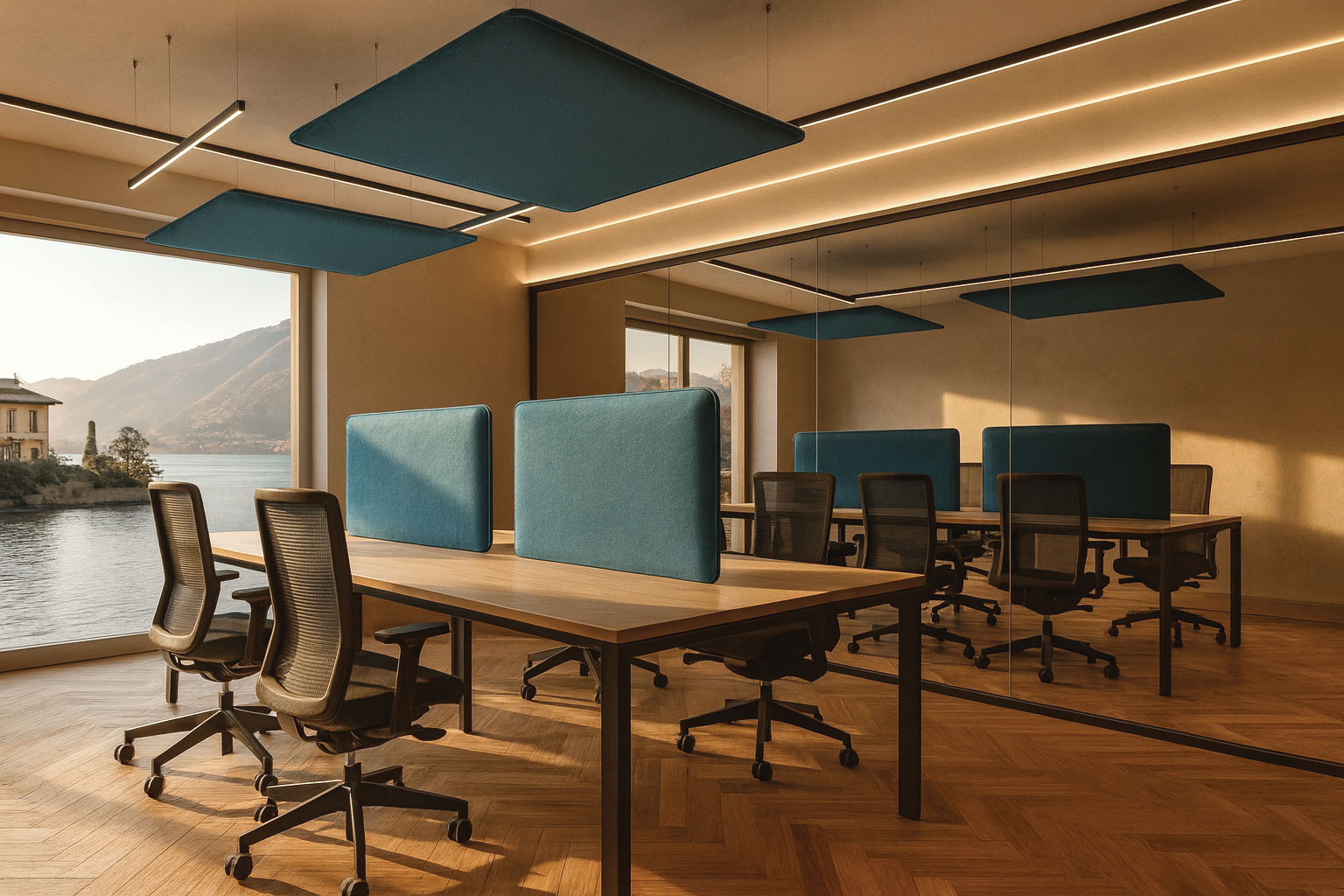
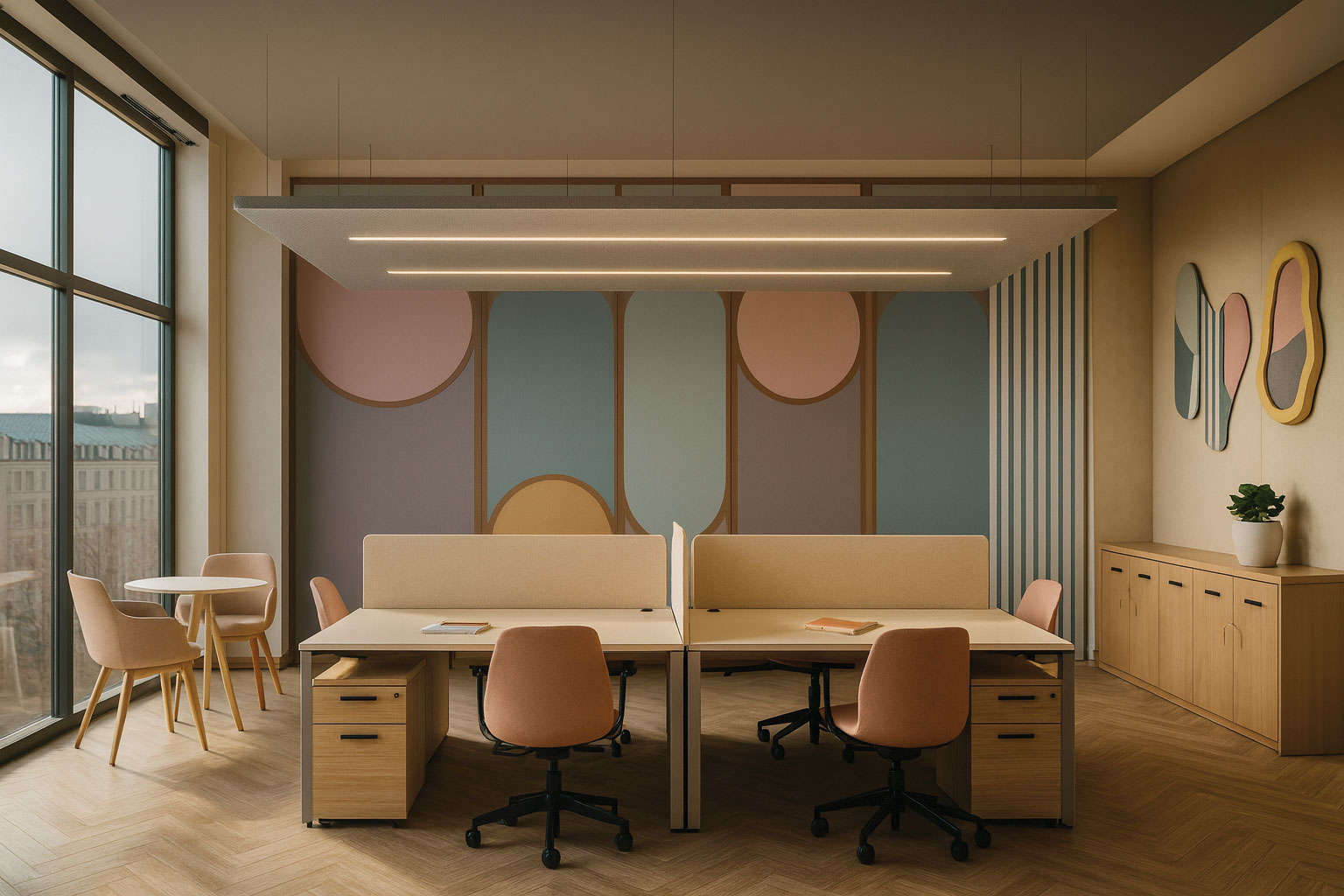
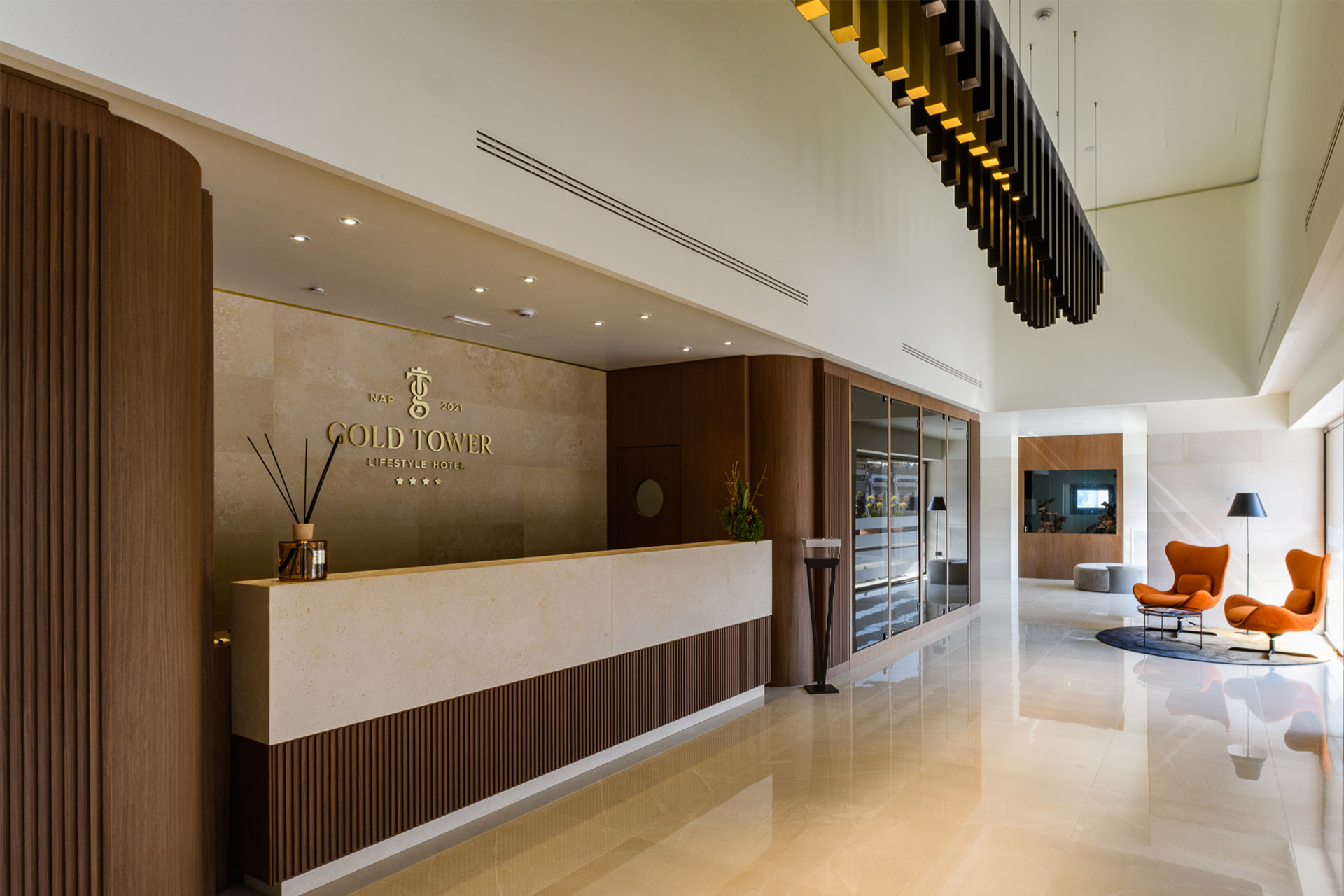
In an open-plan office, the focus shifts to reducing background noise and supporting concentration. Acoustic design considers occupancy and sound sources, while lighting is planned to provide uniform and comfortable conditions for prolonged tasks.
Today, simulation tools and digital models allow designers to predict how light and sound will behave before implementation, making the process more accurate and controlled.
Light and sound as one system
Light and acoustics are not separate elements, but part of the same perceptual system. When designed together, they create spaces that are more harmonious and comfortable.
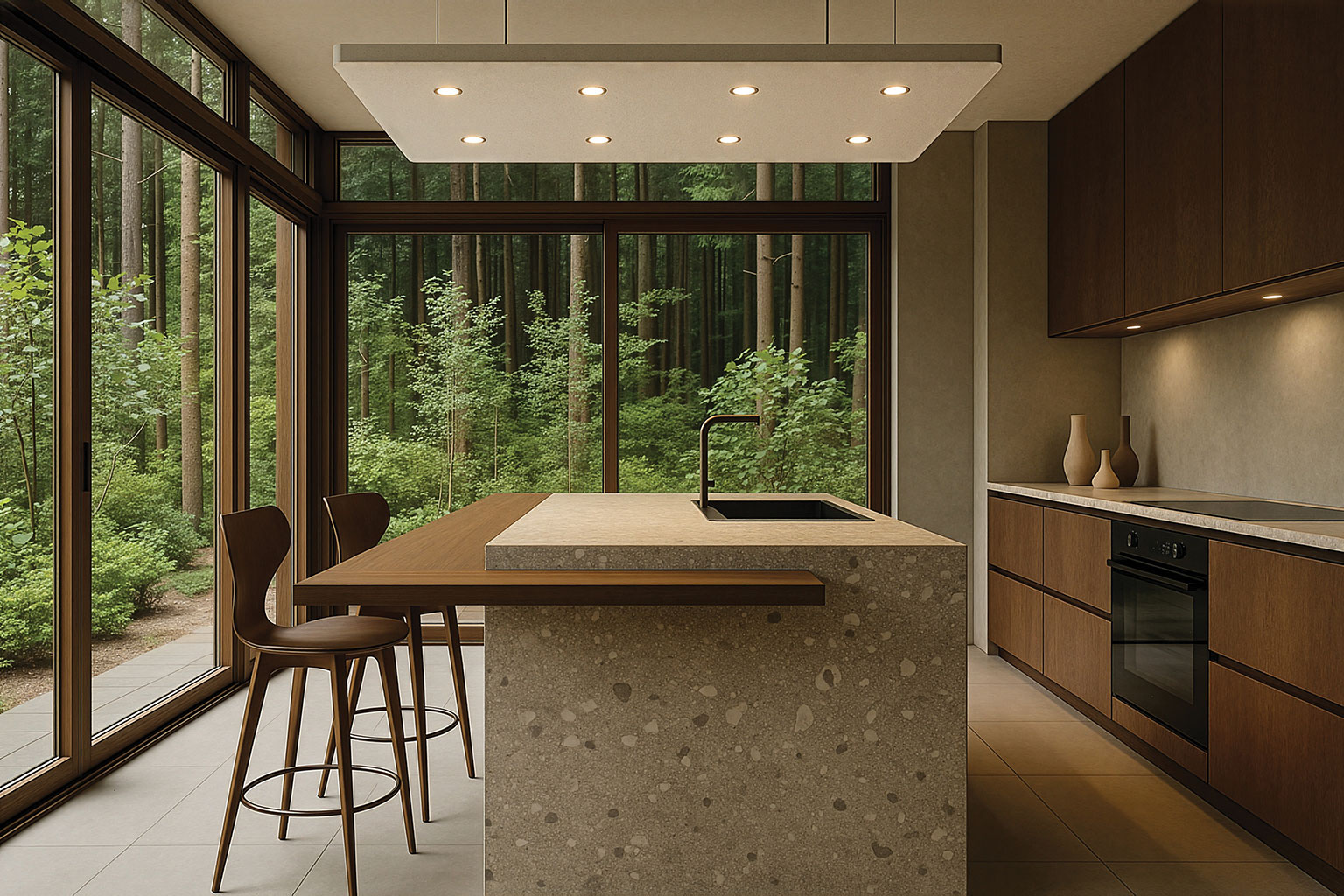
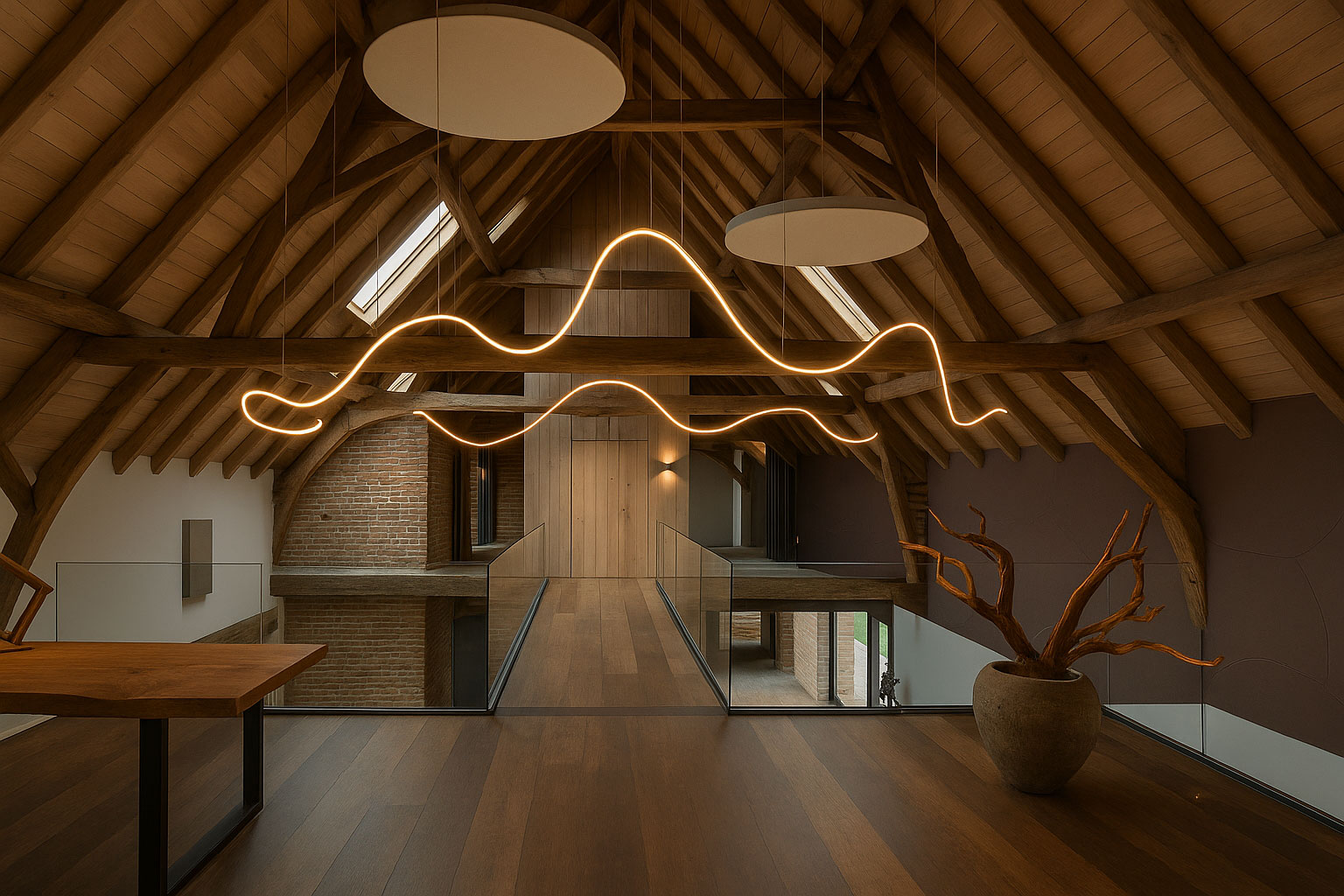
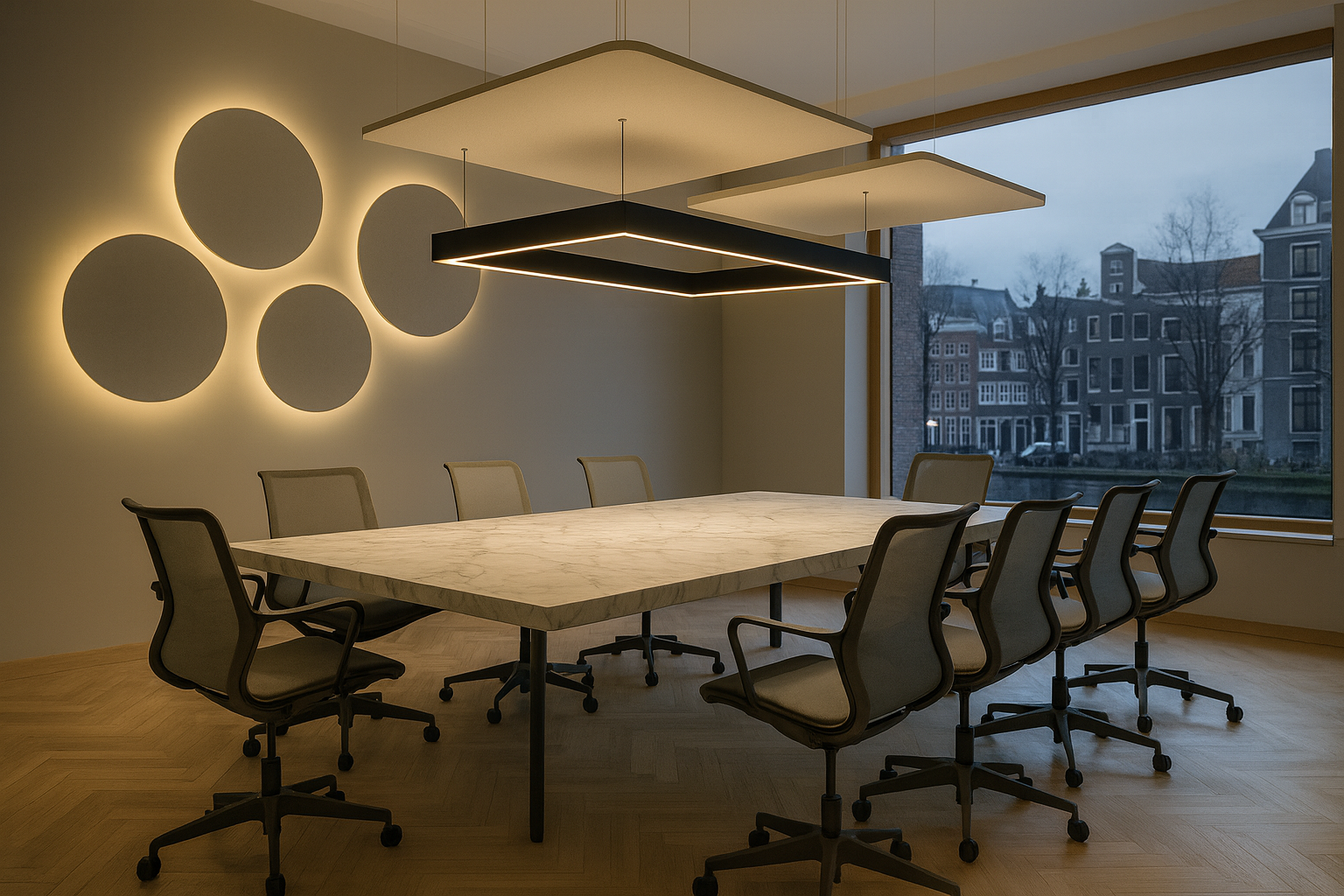
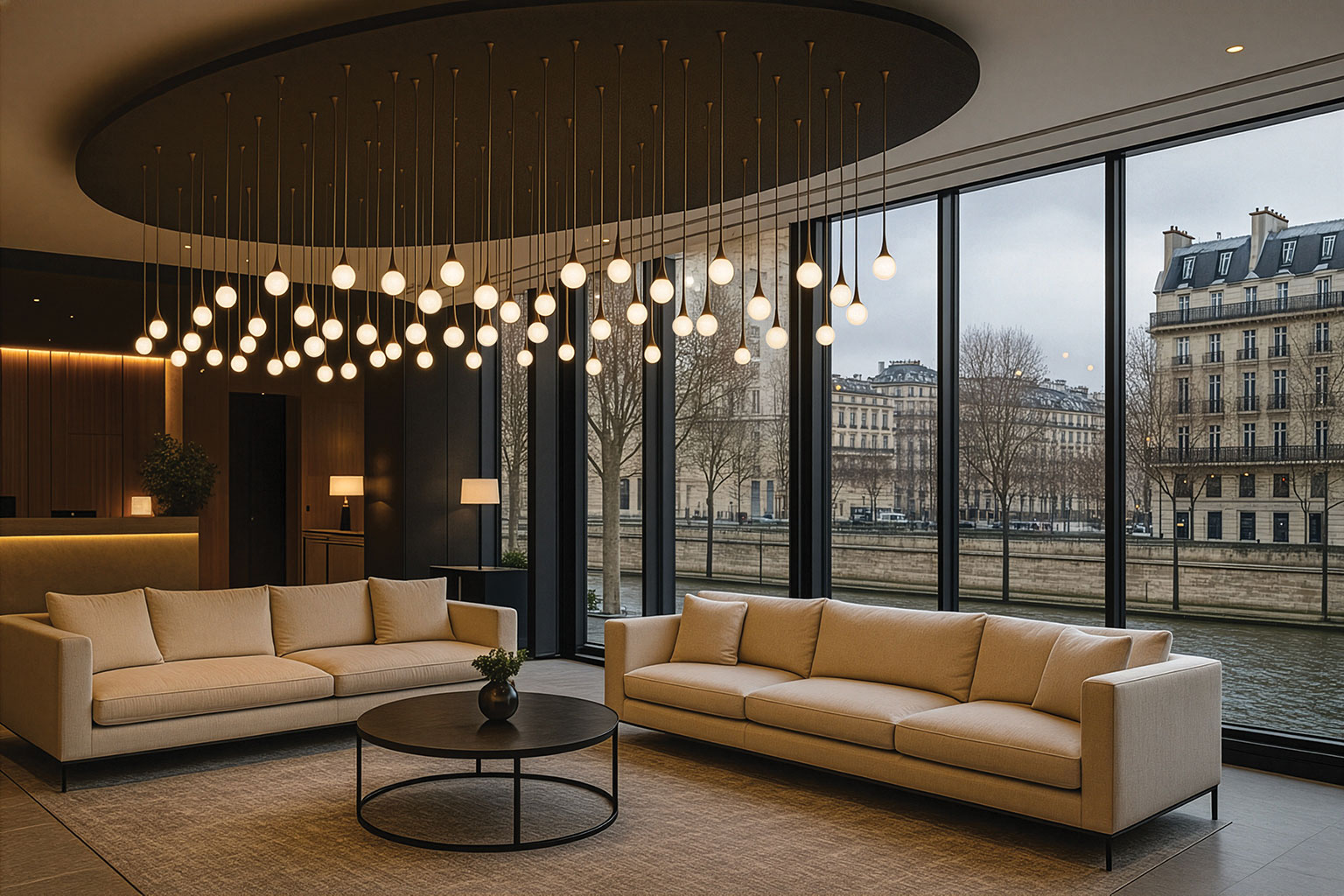
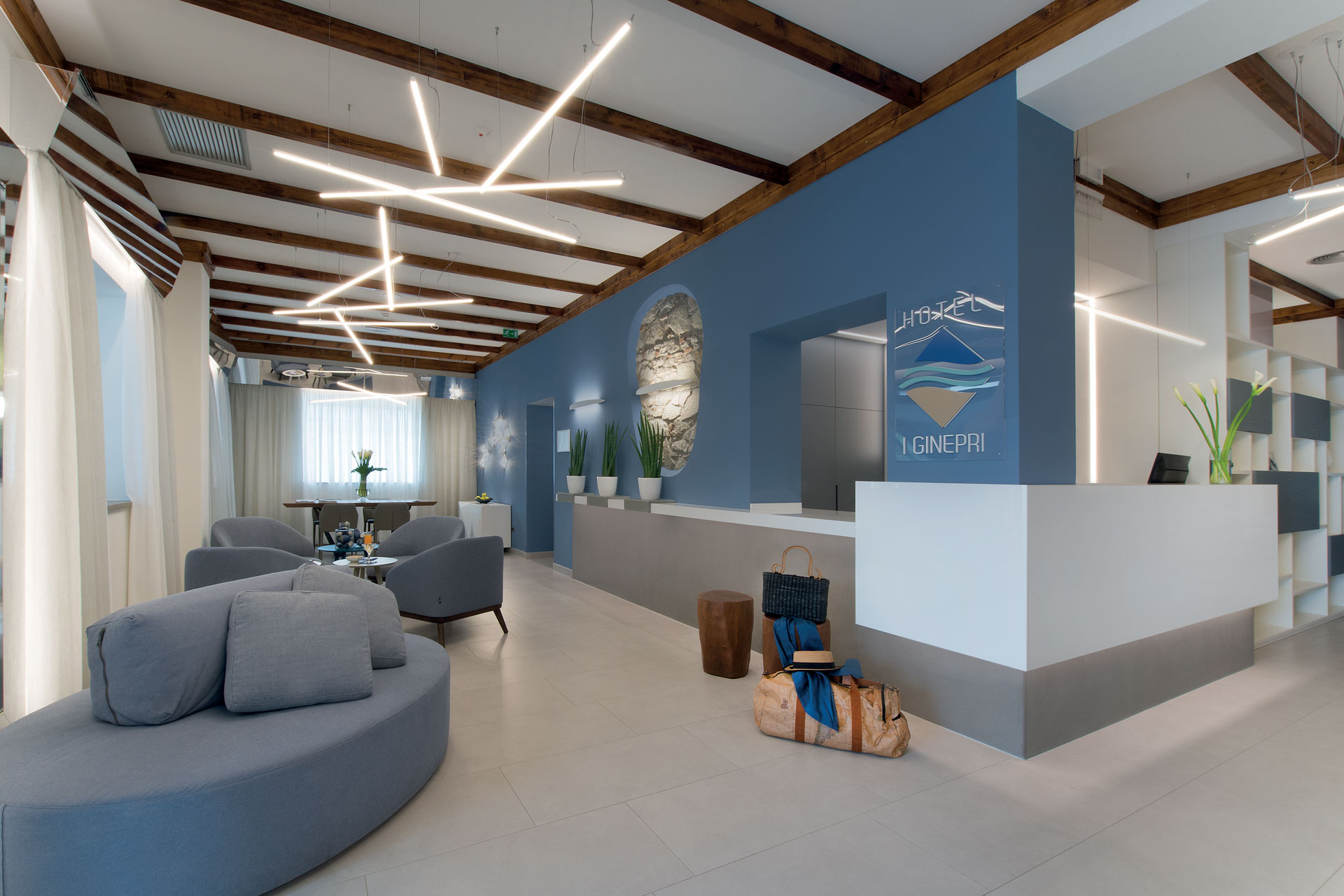
Acoustic Lighting emerges from this integration: a synthesis of technical performance and sensory quality, where lighting and sound absorption work together within a single design approach.
A holistic approach to space
Well-being in a space comes from the balance between the senses.
Light and sound directly influence how we perceive and experience environments, shaping their overall quality. Designing them together means improving not only aesthetics, but also performance.
Space is no longer just a composition of visual elements, but an experience defined by perception, function, and comfort. A holistic approach brings together what we see and what we hear, creating environments that are coherent, comfortable, and effective.
Because when light and sound work together, space finds its balance.
Well-being in a space comes from the balance between the senses.
Light and sound directly influence how we perceive and experience environments, shaping their overall quality. Designing them together means improving not only aesthetics, but also performance.
Space is no longer just a composition of visual elements, but an experience defined by perception, function, and comfort. A holistic approach brings together what we see and what we hear, creating environments that are coherent, comfortable, and effective.
Because when light and sound work together, space finds its balance.