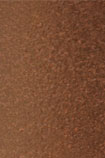
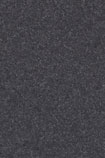
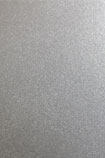
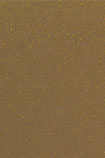
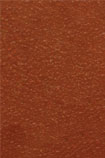
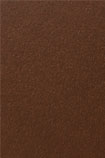
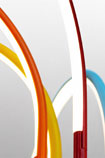
Each material has its own technical and expressive qualities, helping to define the character of a luminaire. Egoluce works with wood, glass, aluminium, iron, steel and copper, enhancing their properties through specific processes and finishes. From natural surfaces and precisely formed metal components to the transparency of glass and pronounced textures, each choice offers new ways to integrate light into architectural projects.
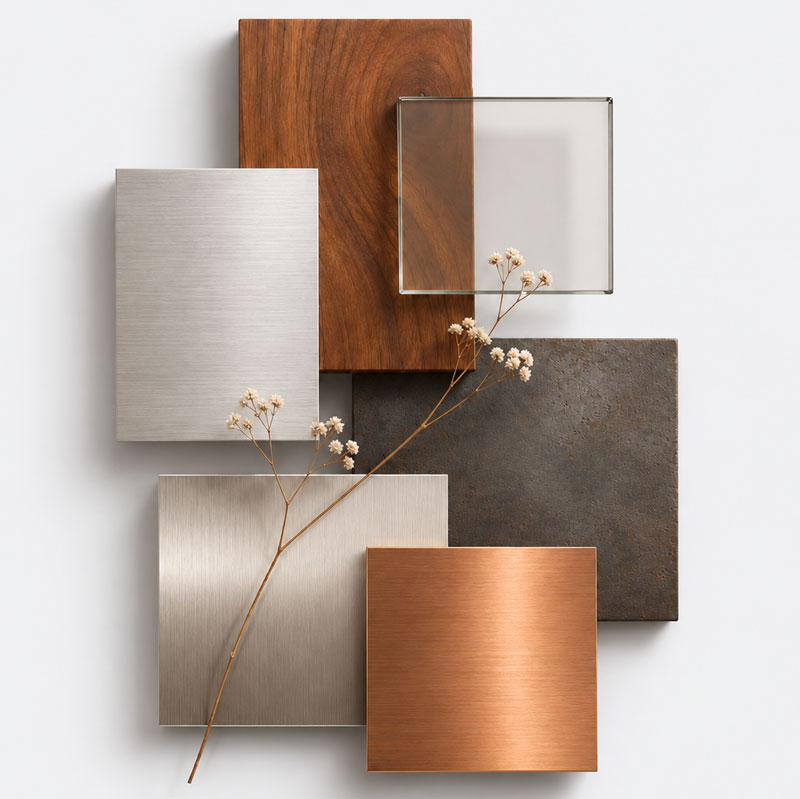
Colour becomes a means of customisation through coating techniques that create consistent surfaces, distinctive textures and a wide range of visual effects.
Durable and versatile, powder coatings produce even surfaces in a variety of colours and finishes. Textured versions add subtle relief and visual depth, highlighting the geometry of the luminaire.
Wet-applied coatings allow precise colour application and can achieve gradients, distinctive shades and decorative effects that are difficult to reproduce with powder coating. They provide additional scope for aesthetic customisation.
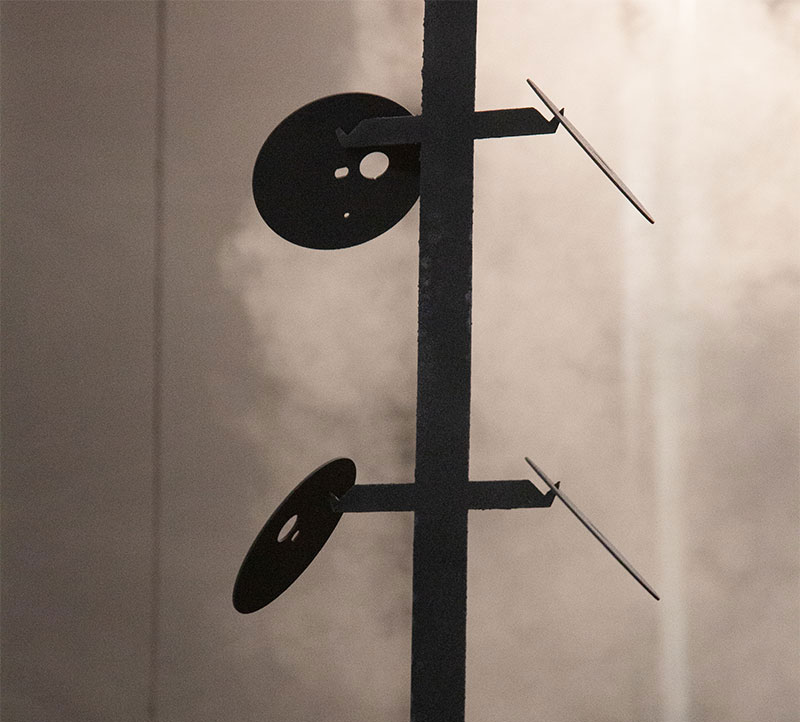
Electroplating creates metallic coatings with polished or satin appearances. Gold-, chrome-, nickel- and bronze-tone finishes introduce reflection and depth, accentuating the form and details of the luminaire. These treatments offer precise visual results and refined surface quality.
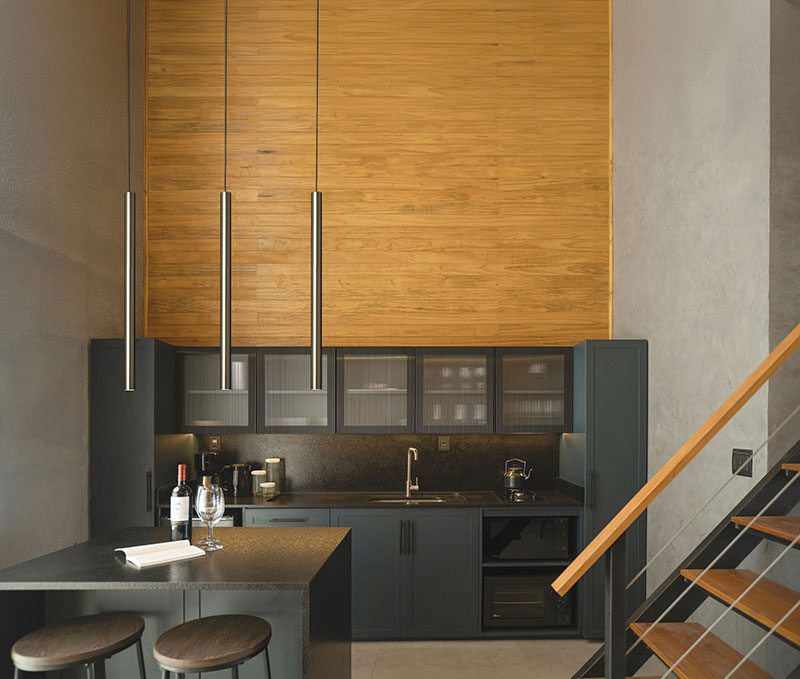
Alongside industrial finishing processes, mechanical surface treatments and decorative techniques add texture and distinctive details.
The manual application of gold and silver leaf gives surfaces a rich, layered appearance. The subtle irregularities inherent in the process make each piece unique, creating reflections that interact with light in different ways.
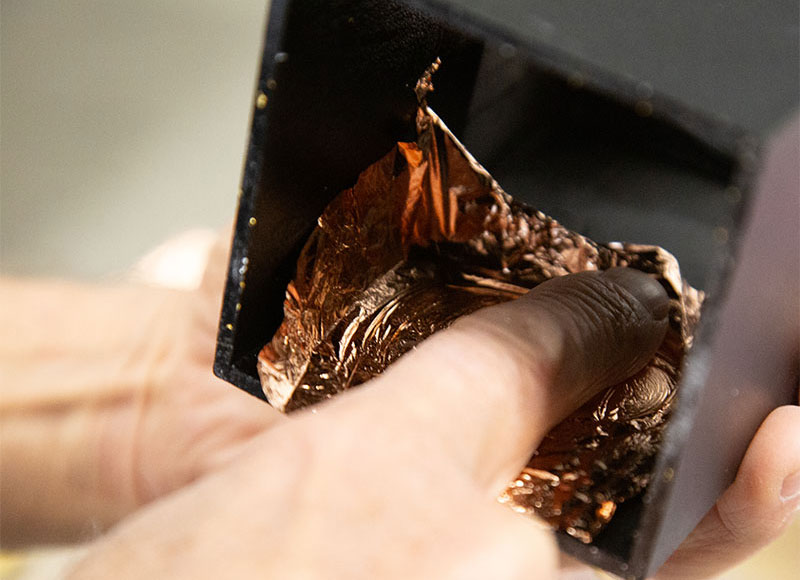
Egoluce offers PVD (Physical Vapour Deposition), a vacuum-based thin-film coating technology that produces finishes with specific technical and aesthetic properties.
During the process, materials such as zirconium, chromium and titanium are vaporised in a vacuum chamber and deposited onto the substrate. Depending on the materials and process parameters, dense, uniform coatings can be produced in a range of decorative finishes.
PVD coatings can improve wear, scratch and corrosion resistance while helping to preserve the appearance of the surface. Actual performance depends on the substrate, the coating system and the conditions of use.
Vacuum processing can also reduce the use of certain chemicals compared with some conventional surface treatments.
It is a technical solution for projects in which performance, durability and aesthetic quality must come together in a single finish.
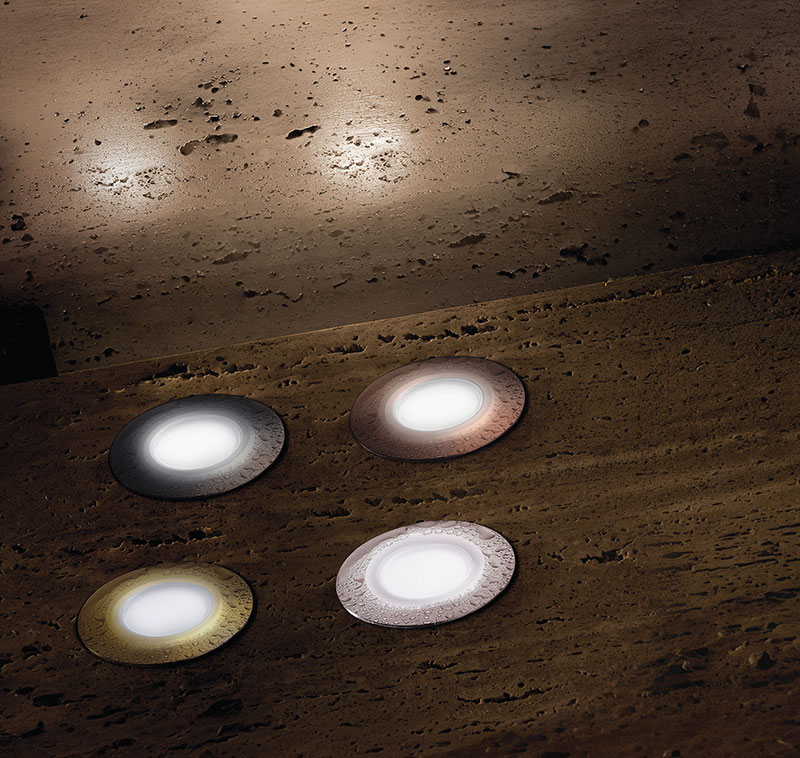
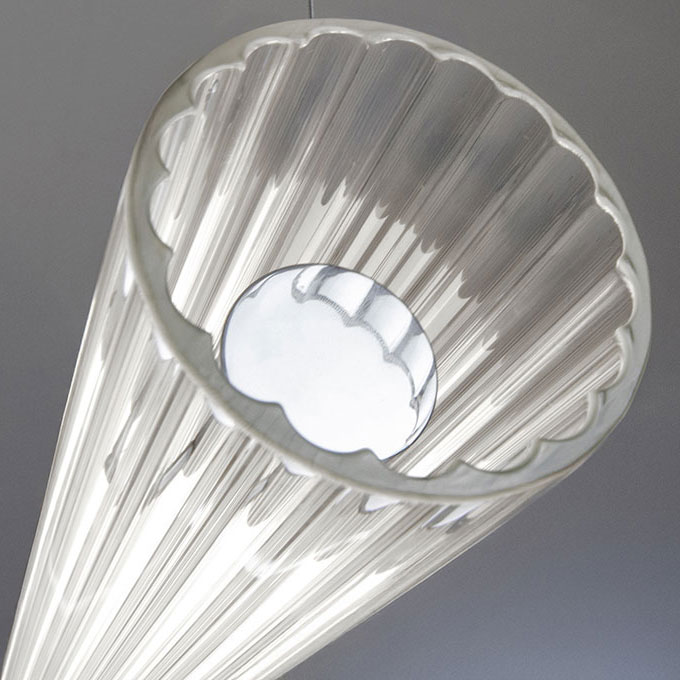
Pyrex borosilicate glass combines resistance to thermal shock with a visually light and elegant appearance. Specific glassworking and surface treatments allow the diffuser to change how the light source is perceived and enrich the experience of a space.
Hot forming and glassblowing make it possible to create distinctive shapes and decorative surfaces. In ribbed glass, a series of grooves adds rhythm to the surface and alters how light is transmitted and refracted, producing reflections and subtle variations in brightness.
Sputtering is a vacuum deposition technique used to apply extremely thin metallic layers to glass. In diffusers designed for this purpose, the coating can create a mirrored or metallic appearance when the luminaire is off, while allowing light, transparency and tonal variations to emerge when it is switched on.
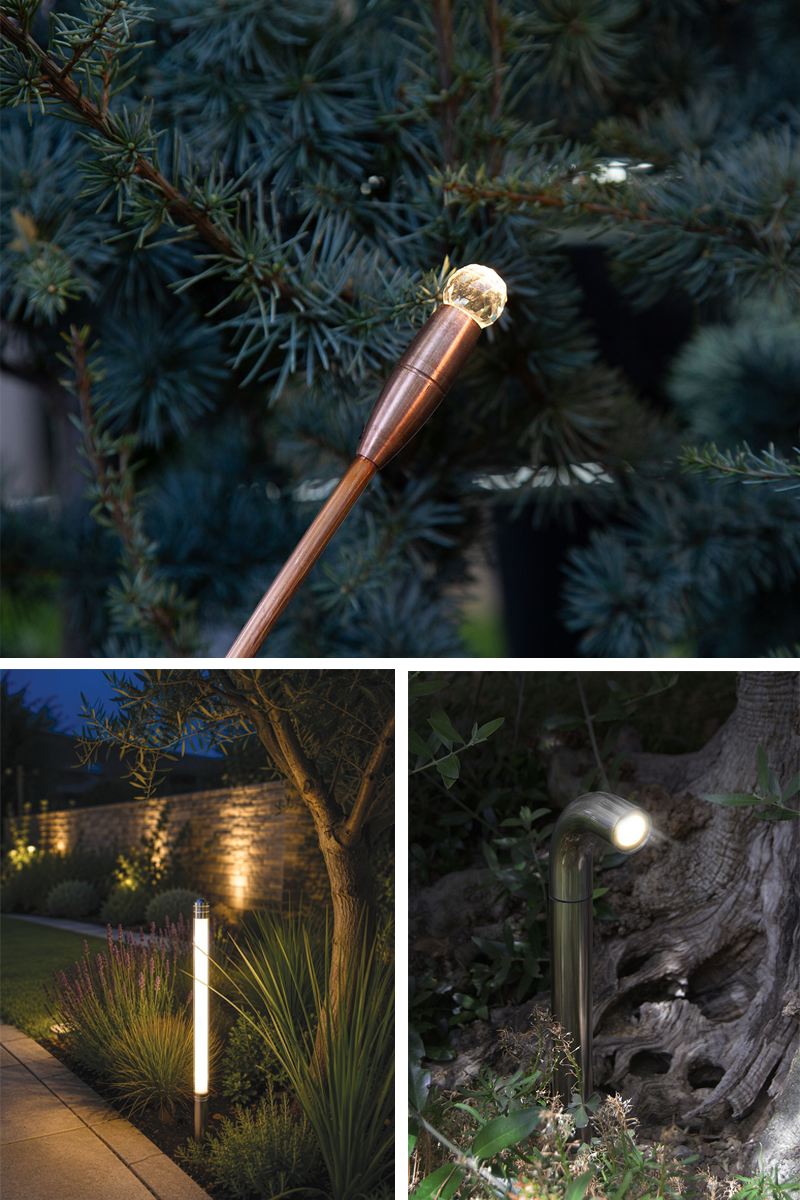
In outdoor environments, materials and finishes must meet both aesthetic and technical requirements. Rain, moisture, UV radiation and other weathering agents call for solutions suited to the specific installation conditions.
Depending on the product and project requirements, Egoluce uses AISI 316L stainless steel, anodised aluminium, UV-stabilised materials and Marine Grade paint finishes available on request. In coastal locations, where salt exposure can accelerate corrosion, these solutions help protect luminaires and preserve their finishes over time.
Exposure to the elements can also become part of a material’s aesthetic character. Untreated copper gradually develops a patina that changes its colour and reflections, giving the surface an evolving appearance. Rust-effect and Corten-look finishes evoke the colours and textures of oxidised metal, bringing an industrial materiality to the design. Suitability for outdoor use must be assessed according to the specific finish and environmental conditions.
The IP rating is another essential consideration, indicating the degree of protection provided by the enclosure against the ingress of solid objects and water. Evaluating materials, treatments and exposure conditions together helps create reliable outdoor installations that remain consistent with the architectural concept.
Egoluce finishes and manufacturing processes bring together technical research, design sensitivity and attention to detail, offering architects and designers new expressive possibilities for every lighting project.